เลือกภาษา

In the demanding arenas of outdoor civil infrastructure,commercial HVAC systems,and heavy-duty plumbing networks,engineering teams continuously battle an invisible but relentless enemy:environmental degradation.While massive capital investments flow into reinforced steel frameworks,automated machinery,and advanced electronic control units,catastrophic system failures frequently originate from a severely overlooked component—the elastomeric interface.
When a standard rubber pad degrades under constant ultraviolet(UV)radiation,severe ozone exposure,or relentless thermal cycling,the component rapidly loses its elasticity.This material embrittlement leads to surface cracking,the transmission of destructive vibrations,and ultimaโทรy,catastrophic mechanical fatigue.The Total Cost of Ownership(TCO)skyrockets as maintenance teams scramble to ที่อยู่ hazardous fluid leaks,loosened fasteners,and revenue-draining operational downtime.
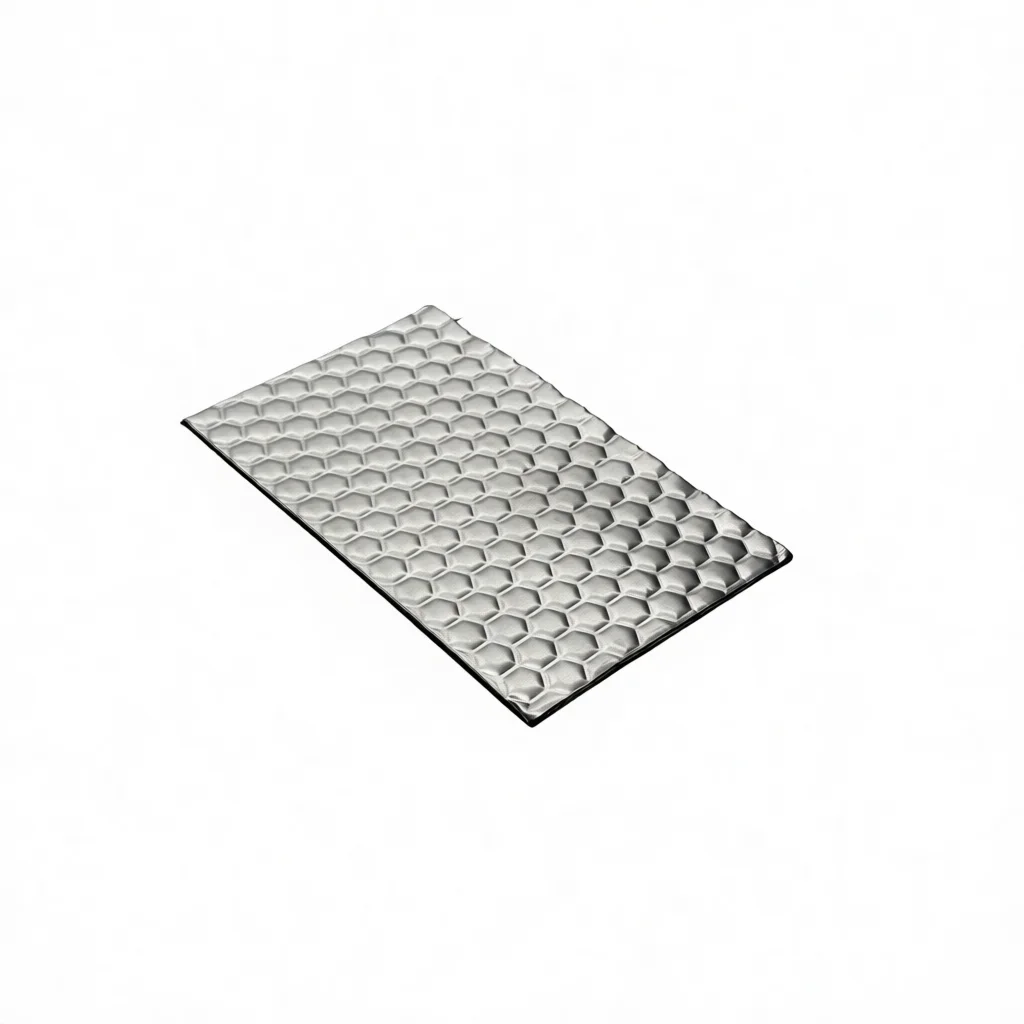
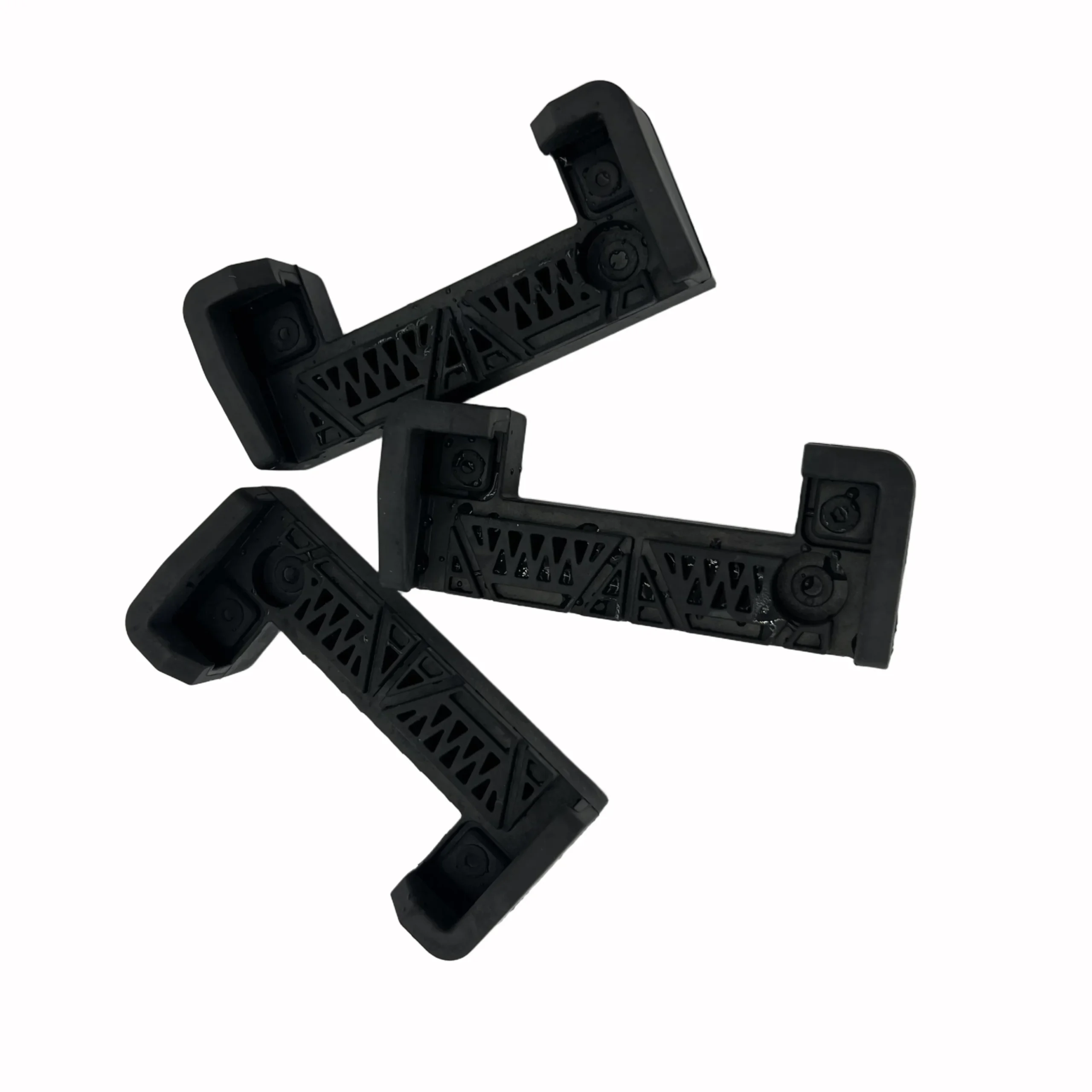
The engineering philosophy of"Smทั้งหมด ผลิตภัณฑ์,Big Impact"has never been more relevant:a localized failure of a vibration-isolating pad can cripple a multi-million-dollar facility.As an authoritative manufacturing and engineering partner,Guangdong Sunlite Science&Technology Co.,Ltd.engineers high-performance EPDM flexible rubber pads designed specificทั้งหมดy to withstand unforgiving outdoor environments,ensuring your capital infrastructure operates flawlessly for decades.

Technical Breakdown:The Engineering Superiority of EPDM Elastomers
To manufacture a flexible rubber pad capable of surviving years of intense environmental stress,precision material compounding is an absolute requirement.Traditional interface components utilizing Natural Rubber(NR)or standard Styrene-Butadiene Rubber(SBR)offer acceptable baseline elasticity for indoor แอปพลิเคชันs.However,their unsaturated polymer chains are highly vulnerable to ozone attack and UV radiation,resulting in rapid oxidative degradation when deployed outside.
Guangdong Sunlite Science&Technology Co.,Ltd.resolves this fundamental material flaw by engineering flexible rubber pads utilizing highly cross-linked EPDM(Ethylene Propylene Diene Monomer).The fully saturated polymer backbone of EPDM provides intrinsic,molecular-level resistance to extreme weather,ozone,and thermal aging.เพิ่มitionทั้งหมดy,EPDM is uniquely formulated to withstand prolonged exposure to hot water and high-pressure steam without suffering from hydrolytic breakdown,making it an irreplaceable asset for advanced plumbing and high-temperature industrial แอปพลิเคชันs.
Unlike rigid plastics that fracture under impact or basic polyurethane foams that permanently compress,an engineered EPDM flexible rubber pad retains its viscoelastic damping properties and dimensional stability across vast temperature extremes.

Material Performance Comparison:Industrial Interface Materials
To fully understand the return on investment(ROI),engineers must evaluate how different elastomeric materials perform under sustained outdoor and industrial stress factors.
Performance Metric | Sunlite EPDM Flexible Rubber Pad | Traditional Natural Rubber(NR) | Standard Polyurethane(PU) |
Operating Temp Range | -50°C to+150°C(Excellent thermal stability) | -20°C to+80°C(Prone to severe hardening) | -30°C to+90°C(Softens in high heat) |
Ozone&UV Resistance | Exceptional(Zero cracking after prolonged exposure) | Poor(Rapid surface embrittlement) | Good,but susceptible to UV fading |
Hot Water&Steam | Outstanding(No hydrolytic degradation) | Moderate(Swells and weakens) | Poor(Severe hydrolytic failure risk) |
Compression Set | Low(<15%under continuous dynamic load) | Moderate(High risk of permanent deformation) | High under extreme heavy static loads |
Real-World แอปพลิเคชันs:Securing Long-Term Structural Integrity
Deploying a precision-engineered EPDM flexible rubber pad bridges the gap between rigid structural design and unpredictable environmental forces.ที่นี่ is how Sunlite's advanced elastomeric โซลูชั่น reduce TCO across critical อุตสาหกรรม:
1.Commercial HVAC and Outdoor Plumbing Systems
Heavy-duty rooftop HVAC units,chillers,and exterior plumbing networks are continuously exposed to blazing summer sun,freezing winter rain,and internal hot water cycling.Standard isolation mounts quickly crack from UV exposure and hot water degradation.Placed strategicทั้งหมดy under heavy compressors,blowers,and pipe mounting brackets,EPDM flexible rubber pads act as highly tuned vibration isolators.They absorb high-frequency mechanical shocks while compleโทรy resisting UV-induced embrittlement,ก่อนenting catastrophic fluid leaks and drasticทั้งหมดy reducing ground-borne acoustic noise transferring into the building.
2.Utility-Scale Solar Array Mounting
Utility-scale solar farms demand infrastructure that can survive 25+years in harsh,compleโทรy unshaded environments.When securing delicate photovoltaic solar panels to metทั้งหมดic racking systems,engineers rely on EPDM flexible rubber pads to safely accommodate thermal expansion and ก่อนent galvanic corrosion between dissimilar metals.The pad's exceptional ozone and weather resistance ensures the structural mounting system remains torqued and secure,eliminating the severe risk of panel detachment or micro-fracturing during high-wind events.
3.Rail Transit and Civil Infrastructure Expansion
Outdoor civil infrastructure,such as railway tracks and bridge decks,expands and shifts with seasonal thermal cycles.Sunlite's flexible rubber pads accommodate this inevitable structural movement while maintaining a dense,weather-resistant acoustic barrier between concrete and steel.By resisting ozone degradation and ก่อนenting water ingress,these EPDM pads eliminate the internal rebar corrosion that often destroys concrete railway sleepers and structural expansion joints from the inside out.
ถามบ่อย คำถาม(คำถามที่พบบ่อย)
Why is EPDM preferred over Natural Rubber for outdoor flexible rubber pads?
EPDM possesses a fully saturated molecular backbone that makes it virtuทั้งหมดy immune to ozone attack,UV radiation,and severe atmospheric oxidation.Unlike Natural Rubber,which hardens and develops deep surface cracks outdoors,EPDM maintains its flexible damping properties and structural integrity for decades without chemical degradation.
How do EPDM rubber pads handle high temperatures and hot water exposure?
EPDM is inที่นี่ntly hydrolyticทั้งหมดy stable and heat-resistant,easily withstanding continuous operating environments ranging from-50°C up to+150°C.This exceptional thermal stability makes EPDM flexible rubber pads the ideal choice for high-temperature fluid systems,plumbing interfaces,and steam แอปพลิเคชันs wที่นี่ other elastomers would rapidly swell or fail.
How do flexible rubber pads reduce the Total Cost of Ownership(TCO)?
By actively absorbing dynamic kinetic shocks and surviving harsh environmental exposure,these high-performance pads ก่อนent the cracking of expensive concrete foundations and stop critical fasteners from vibrating loose.This significantly extends required maintenance intervals,drasticทั้งหมดy reducing physical labor costs and ก่อนenting revenue-draining operational downtime.
Secure Your Infrastructure with Precision Elastomers
Do not ทั้งหมดow a compromised,commodity interface component to dictate the lifespan of your critical outdoor infrastructure.Upgrading to precision-engineered EPDM elastomers is a proven,high-yield strategy to ensure maximum operational stability,minimize unplanned maintenance cycles,and achieve superior system reliability.
As your dedicated engineering and manufacturing partner,Guangdong Sunlite Science&Technology Co.,Ltd. is equipped to solve your most complex vibration,thermal,and environmental sealing chทั้งหมดenges.Contact our technical engineering team today for custom material formulation,specific แอปพลิเคชัน guidance,or to request high-performance EPDM flexible rubber pad samples for your rigorous laboratory testing.

In the demanding arenas of outdoor civil infrastructure,commercial HVAC systems,and heavy-duty plumbing networks,engineering teams continuously battle an invisible but relentless enemy:environmental degradation.While massive capital investments flow into reinforced steel frameworks,automated machinery,and advanced electronic control units,catastrophic system failures frequently originate from a severely overlooked component—the elastomeric interface.